AI in Restaurants and Hospitality: Reservations, Reviews, and Menu Optimization
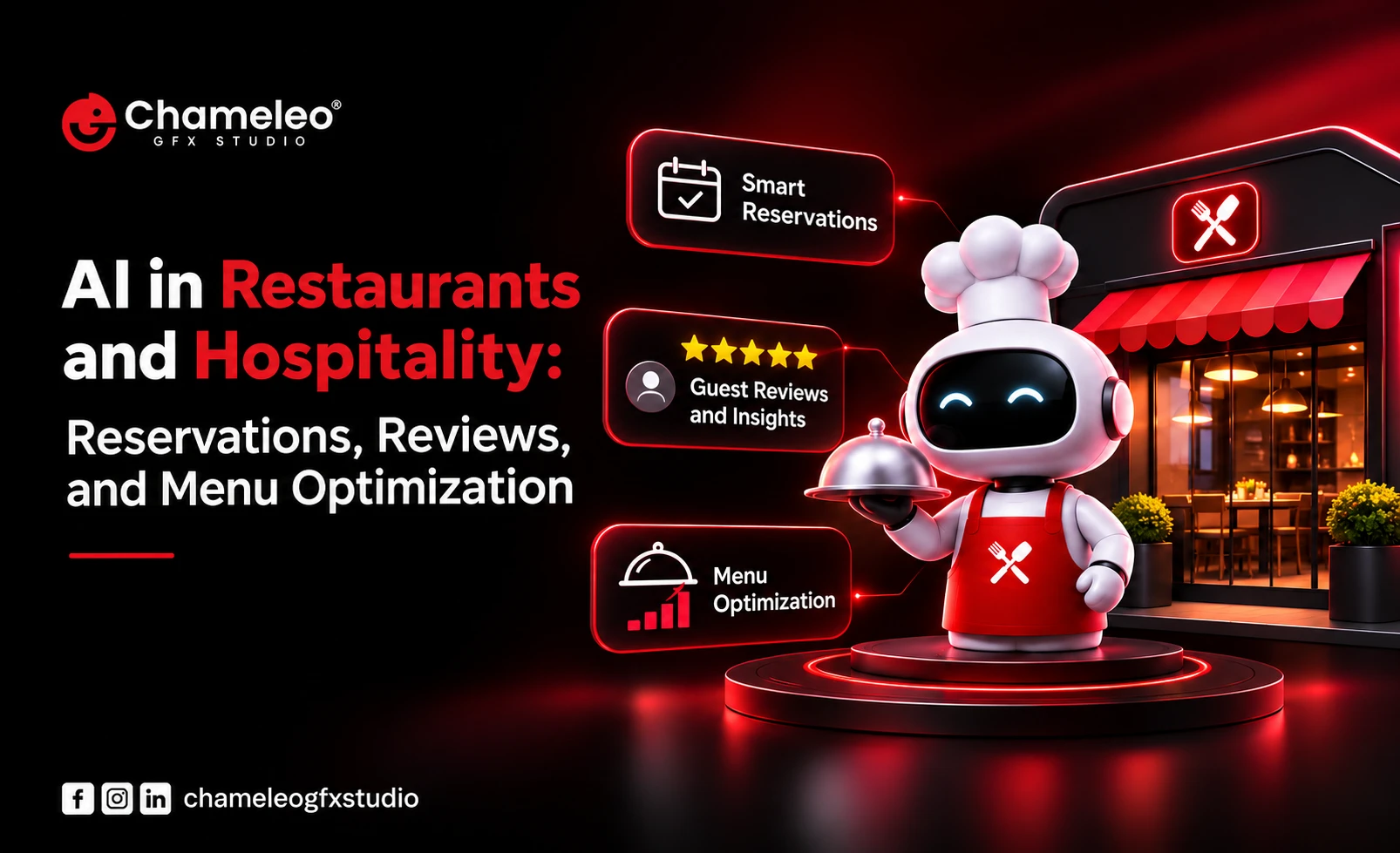
A busy Friday service tests everything at once. The phone rings during the dinner rush, new reviews appear overnight, and menu decisions pile up with no time to analyze them. Guests expect quick answers, accurate information, and a warm welcome, while teams manage tight margins and limited hours.
Artificial intelligence (AI) is a set of tools that may help with selected tasks, such as sorting booking requests, summarizing feedback, or spotting sales patterns. It works best as support for staff, because hospitality still depends on people.
Quick Answer
Restaurants can use AI to organize reservation requests, group themes in guest reviews, and examine sales data to guide menu decisions. These tools may save time and reveal useful patterns. Results depend on data quality, system integration, staff oversight, and the specific needs of each business.
Table of Contents
- How AI Is Changing the Restaurant and Hospitality Industry
- How AI Restaurant Reservation Systems Improve Booking Management
- Using AI to Understand and Respond to Restaurant Reviews
- How AI Helps Restaurants Optimize Their Menus
- AI Restaurant Management and Everyday Operations
- Choosing AI Automation Services for Restaurants
- Why Restaurant Digital Marketing Still Matters
- Pro Tip
- Key Takeaways
- Frequently Asked Questions
- Conclusion
How AI Is Changing the Restaurant and Hospitality Industry?
AI in the hospitality industry covers a wide range of uses. A café might use a chatbot to answer opening hours questions. A hotel might analyze guest feedback across several properties. A restaurant group might review sales reports to plan purchasing.
It helps to separate two kinds of tools. Automation completes repeatable tasks, such as sending a reminder message. Analytical tools study information and present patterns so people can decide. Many products combine both.
Not every reservation, review, or point-of-sale (POS) platform includes AI, so confirm what a product actually offers. The National Restaurant Association is a useful place to follow industry news and operator resources.
How AI Restaurant Reservation Systems Improve Booking Management?
AI restaurant reservation systems can receive requests by web form, message, or phone, then organize them in one place. Depending on the provider, they may send confirmations and reminders, manage cancellations, fill gaps from a waitlist, and highlight busy periods over time. Less manual entry gives hosts more time with guests.
AI-powered restaurant bookings are not identical across vendors. Some tools offer simple scheduling rules, while others add conversational booking or forecasting. Ask for a demonstration using your own table layout and service hours.
Be cautious with promises. Reminders may help some restaurants, but no tool can guarantee fewer no-shows or higher revenue without evidence from your own operation.
Using AI to Understand and Respond to Restaurant Reviews
Reading hundreds of reviews takes time. AI tools may group comments into themes such as wait times, portion size, or service friendliness, and may estimate overall sentiment. They can also draft replies for staff to edit.
Consider a hypothetical example. A manager notices that several recent comments mention slow dessert service. That pattern may justify a conversation with the team, though the manager should still read the original reviews to confirm it.
Always have a person review every response before it is published, and keep replies truthful and respectful. Avoid placing guest names or personal details into tools without checking their data terms. Never write fake reviews or filter who is invited to leave feedback. Google Business Profile Help explains how to manage and reply to reviews on your listing.
How AI Helps Restaurants Optimize Their Menus?
Menu decisions often rely on instinct, so sales data can add a useful second view. When records are reliable, AI tools may help show which items sell steadily, which sell only in certain seasons, and which pair well together. If ingredient costs are tracked accurately, they may also help estimate margins.
For example, a hypothetical bistro might find that a slow-selling appetizer is often ordered with its most popular entrée. That could suggest repositioning it rather than removing it.
AI should support these choices, not make them alone. It cannot know what your guests will enjoy, and it should not be trusted for allergen details or dietary suitability. Chefs and managers need to confirm anything involving guest safety.
AI Restaurant Management and Everyday Operations
AI restaurant management includes tools for demand forecasting, inventory planning, staff scheduling support, guest communication, and reporting. A forecast might suggest how many covers to expect on a holiday weekend, helping a manager plan prep and shifts.
These tools are only as good as their inputs. Incomplete sales records, inconsistent inventory counts, or unusual events can lead to weak suggestions. Managers should treat outputs as starting points, compare them with their own experience, and adjust when conditions change.
Choosing AI Automation Services for Restaurants
Choosing AI automation services for restaurants starts with the problem, not the product. Define what you want to improve, then evaluate how a tool fits your daily workflow. Useful questions include:
- Does it connect with your booking, POS, and website systems?
- How will staff be trained, and who provides ongoing support?
- How is guest data stored, secured, and shared?
- What are the ongoing costs beyond the first month?
- How reliable is the service during peak hours?
- How will you measure success?
Tools such as Google Analytics can help track website activity connected to bookings. When comparing AI automation services, choose providers that explain their limits plainly. Chameleo GFX Studio, a creative and digital service provider, can also help hospitality businesses think through the digital customer experience around the tools they adopt.
Why Restaurant Digital Marketing Still Matters?
AI does not replace a clear brand identity, accurate business information, strong photography, or genuine guest relationships. A reservation tool cannot help guests who never find your website, and a review summary cannot fix an outdated menu page.
Restaurant digital marketing services focus on these fundamentals: website content, local search visibility, consistent listings, and visuals that show your atmosphere. Google Search Central offers primary documentation on how search works. In this context, AI services mean technology support that complements your marketing, not a substitute for it. Chameleo GFX Studio works on the creative and digital side, helping businesses strengthen their online presence.
Pro Tip: Start with one clearly defined problem, such as managing after-hours booking requests. Test a tool on a small scale, gather feedback from the staff who use it, and measure whether the process actually improves before expanding.
Key Takeaways
- Reservations: AI tools can organize requests, reminders, and waitlists, though features vary by provider.
- Reviews: AI can group feedback themes and draft replies, but people should approve every public response.
- Menus: Sales data can guide menu choices when it is accurate and complete.
- Responsible use: Protect guest data, read data handling terms, and avoid deceptive practices.
- Human oversight: Start small, measure results, and keep your team involved.
Frequently Asked Questions
Conclusion
AI can support reservations, review analysis, menu decisions, and selected operational tasks, but it works best with a real business need, reliable information, and involved staff. Human oversight keeps service warm, accurate, and trustworthy. Chameleo GFX Studio can help hospitality businesses build the digital presence that makes these tools more effective.
Ready to strengthen your restaurant's digital presence? Connect with Chameleo GFX Studio to discuss the right digital solutions for your hospitality business. Get in Touch.